
The Wellness Hacks You Don't Need
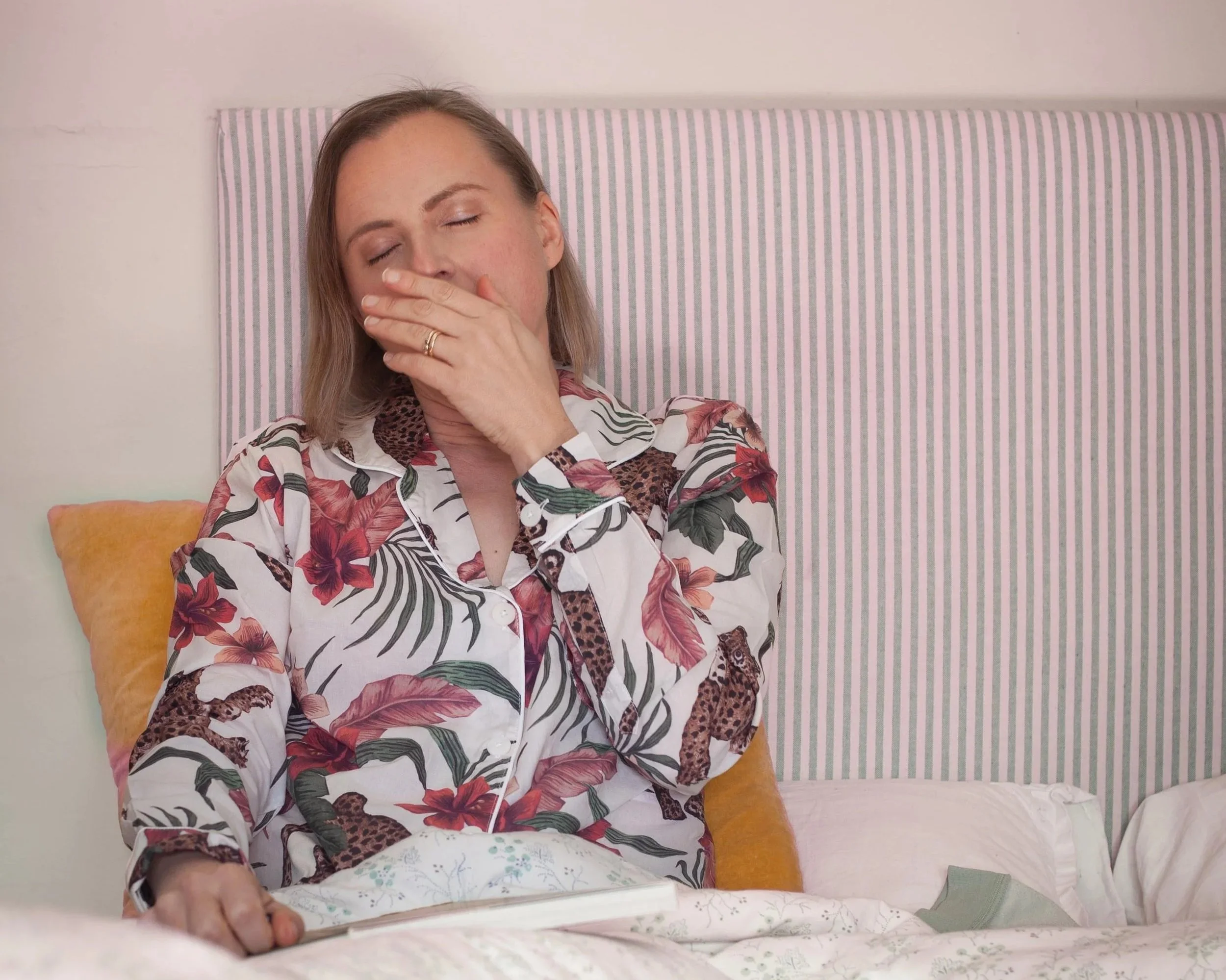
There's a particular kind of tiredness that comes from trying to buy your way back to feeling well. I see it often in clients who arrive with a cabinet full of supplements, a wellness app tracking six different metrics, and skin or a gut or an energy level that still isn't where they want it to be, despite having spent a genuinely alarming amount of money trying to get there.
I don't think wellness needs to be expensive to work, and in my experience the two are often unrelated. So this is a list of the things the industry tells you to buy, alongside the free or nearly free version that tends to do more for your body, including your skin, than the price tag suggests.
Infrared Saunas vs. Morning Daylight
An infrared sauna session can genuinely feel wonderful, and if it's already part of your life and budget, there's no reason to give it up. But if you're eyeing one up as the missing piece in your wellness routine, know that your circadian rhythm, and by extension your hormones, blood sugar, and skin, responds powerfully to something considerably simpler: daylight in your eyes within the first hour of waking, ideally alongside movement. A twenty minute walk outside in the morning does an enormous amount of regulatory work, setting your cortisol rhythm for the day and helping the hormones linked to breakouts behave a little more predictably.
Wellness Retreats vs. Knowing What You Actually Need
A retreat can be a lovely reset, and I'm not here to talk anyone out of one. But the idea that your nervous system needs a five day, several thousand pound intervention to settle is one worth questioning. Most of the calm that people come home from retreats describing isn't really about the location. It's about permission: permission to switch off, to eat slowly, to stop scrolling, to define their own priorities instead of everyone else's.
You're allowed to give yourself that permission at home. And you're allowed to notice what your own body is actually asking for, rather than what a wellness algorithm insists you should be doing. If that's not a daily meditation practice, that's entirely fine. For some people, meditation is exactly the right medicine, and for others, it's a walk, a bath, an hour of a hobby that has nothing to do with productivity, or simply going to bed earlier. Your nervous system doesn't care whether the intervention looks impressive on Instagram.
Grounding Mats vs. Bare Feet on Actual Earth
Grounding, or earthing, has a genuine and interesting body of research behind it, which is partly why it's been packaged into mats and sheets you can buy for your home. But the original version of this practice is free and outside your back door: bare feet on grass, sand, or soil, for even a few minutes. It won't replace the rest of what your body needs, but it's a lovely, simple habit to fold into a morning walk, and there's something genuinely calming about the sensory experience of it that no mat quite replicates.
Green Powders vs. Vegetables That Look Like Vegetables
I understand the appeal of a green powder promising the nutritional equivalent of several servings of vegetables in one scoop. But your gut, and the trillions of microbes living in it that influence everything from inflammation to hormone clearance, responds to fibre, variety, and the physical structure of whole food in a way that powders can't fully replicate. Normal vegetables, the ones that still look like actual vegetables when they land on your plate, are doing work that a jar of dried, processed powder simply can't match and are often much cheaper, whatever the marketing claims.
Influencer Supplement Stacks vs. Normal Food, Consistently Eaten
It's easy to end up with a shelf of supplements recommended by someone online who doesn't know your history, your test results, or your actual needs. Some of what's on that shelf might be useful. A lot of it is likely unnecessary, or worse, working against something else you're taking. The foundation that almost everyone benefits from, acne included, isn't a stack. It's regular, balanced meals eaten consistently enough that your blood sugar and hormones have something stable to work with. Supplements have their place, and I use them often with clients, but they work best layered on top of a diet that's already doing the heavy lifting, not as a substitute for one.
Cold Plunge Tubs vs. Thirty Seconds of Cold Water
Cold plunge tubs have had something of a moment, and there's real physiology behind why cold exposure can support mood and resilience. But this isn't a new discovery. Naturopaths have used cold water therapy for well over a century, long before anyone was building a tub for it. Ending your regular shower with thirty seconds of cold water gives you a meaningful dose of the same benefit, and it costs nothing beyond a moment of resolve each morning.
Blue Light Glasses vs. Putting the Phone Down
Blue light glasses are a reasonable enough idea, but they treat a symptom of a much simpler problem. If you're scrolling in bed an hour before sleep, no amount of amber-tinted lens is going to fully protect the sleep quality your hormones and skin depend on. Putting the phone down and picking up a book instead tends to do more for both your sleep and your evening cortisol than the glasses ever could. If you'd like a recommendation for something worth reading, email me, I’m a book nerd and I’d be happy to give you some recommendations.
Ten-Step Skincare Routines vs. Getting the Basics Right
Chasing the one ingredient that will finally fix your skin is an exhausting, expensive habit, and one I see in clients constantly. A ten-step routine sounds thorough, but it often does more to disrupt your skin barrier than to support it, layering actives on top of actives until your skin is irritated rather than clear. Consistency with three or four genuinely skin barrier supportive products, used properly and given time to work, tends to outperform a shelf of serums used inconsistently and in the wrong order.
£80 Gut Healing Protocols vs. Professional Guidance
There's no shortage of influencers selling a standardised gut healing protocol, promising the same results for every gut that follows it. But guts, like skin, are individual, and what heals one person's can aggravate another's. There isn't a one-size-fits-all approach to gut health, and in my experience, it's genuinely cheaper in the long run to work with a practitioner who can look at your actual history and symptoms than to work through a rotating cast of £80 protocols that were never designed with your body in mind.
Continuous Glucose Monitors vs. Simply Noticing
A continuous glucose monitor can be a genuinely useful tool for some people, particularly if there's a specific reason to track blood sugar closely. But for most people, the same insight can be gained more simply: eating protein, healthy fats, and fibre alongside your carbohydrates, and paying attention to how you actually feel an hour or two afterwards. Are you steady, or are you reaching for something sweet by eleven? Your body is usually telling you exactly what it needs, without a device attached to your arm to translate it for you.
The Real Investment
None of this is to say that the more expensive versions of these things are pointless, if they're genuinely part of a routine you enjoy and can sustain, they're not doing you any harm. But if you've been holding off on feeling better because you can't yet afford the sauna, the retreat, or the supplement stack, I want you to know that the foundational work, the work that actually moves the needle for hormones, gut health, and skin, is available to you today, and most of it is free.
If you're not sure where to start, or which of these areas is actually driving what's happening with your skin, that's exactly the kind of thing we can map out together in a free 20-minute clarity call.
Book your free 20-minute clarity call
Frequently Asked Questions
Do I really not need supplements for hormonal acne? Supplements can be genuinely useful, but they work best when they're targeted to your specific deficiencies and layered on top of a solid foundation of regular, balanced meals. A random stack of influencer-recommended supplements is rarely as effective, or as cost-effective, as a smaller, more targeted approach guided by an actual assessment of your needs.
Is cold water exposure actually good for skin or hormones? Cold water exposure has a long history in naturopathic practice and can support circulation, mood, and stress resilience. A cold-ish finish to your regular shower is a low-cost way to access much of this benefit without investing in specialist equipment.
What's the single most useful free habit for hormonal acne? Morning daylight exposure alongside movement is one of the most consistently underrated habits, it helps regulate your circadian rhythm, which in turn influences cortisol, blood sugar, and the hormones most closely linked to breakouts.
Are green powders worth buying? Green powders aren't harmful, but they're not a substitute for whole vegetables, which offer fibre, variety, and a food matrix that supports gut and hormone health in ways a processed powder can't fully replicate.
How do I know which root cause is actually driving my acne? The clearest way is a proper assessment rather than trial and error with whatever's trending. A free 20-minute clarity call is a good place to start, talking through your history and identifying whether stress, gut health, hormones, or diet is the most likely driver for you.