
Does the Pill Actually Treat Acne? What the Research Really Shows
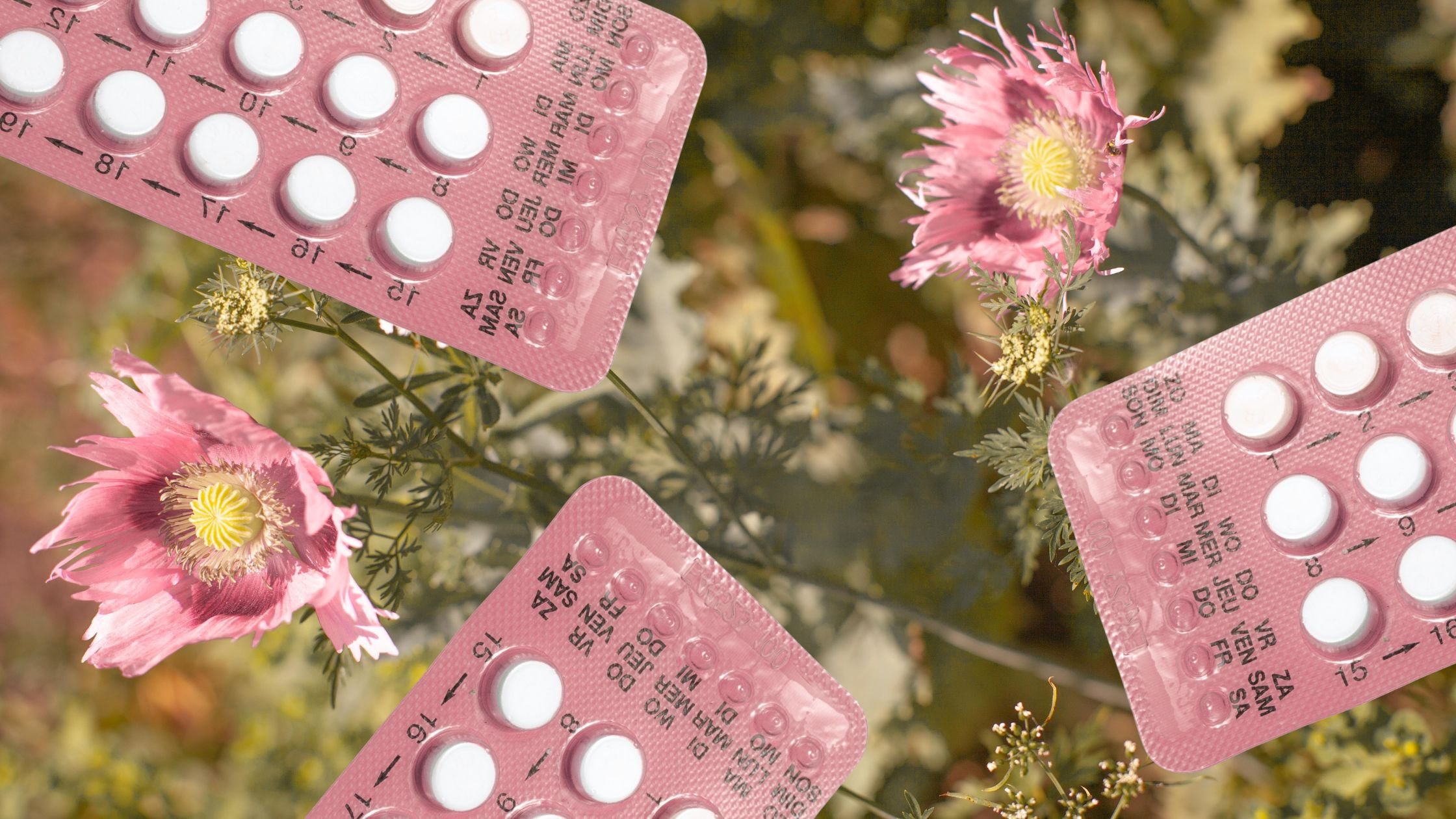
I took the combined pill for over fifteen years, largely because of my skin. Looking back I don’t think it made a difference for me but as it had been presented to me as close to a miracle cure for hormonal acne, I felt scared to stop taking it, in case my skin got even worse without it. I felt trapped and at the time I didn’t even know about post-pill acne. I see this exact fear in clients in clinic, the sense that the pill is holding a line, even when they can't quite say what that line is doing for them.
So I want to walk through what the research actually shows, the parts that get airtime and the parts that generally don't, so you can make a genuinely informed decision rather than a frightened one.
It Can Help, But It's a Sticking Plaster, Not a Cure
Let's be precise about what the research actually demonstrates, because the headline figure gets quoted a lot more often than its limitations do. Trials show combined oral contraceptives reducing inflammatory and non-inflammatory lesion counts by roughly 30 to 50 percent, with continued improvement out to around six months. Clinical trials consistently show that COCs reduce lesion counts by roughly 30–50% within 2–3 months, with many patients achieving clear or almost-clear skin after six months.
Here's what's easy to miss in that sentence: six months is roughly as long as almost any of these trials actually ran. The evidence base for the pill and acne is built almost entirely on studies of three to six months' duration. There is very little controlled research looking at what happens to acne over years of continuous use, or what your skin is actually doing biologically the whole time it's suppressed rather than resolved. The pill isn't shown to fix anything in these trials. It's shown to suppress lesion counts for as long as researchers happened to be watching, which was rarely longer than six months.
And even within that narrow window, response isn't universal. Even in trials of the pills specifically chosen for their anti-androgenic effects, a meaningful proportion of women never reach clear or almost-clear skin. A CMA-COC group had more 'responders,' those with 50% or greater decrease in facial papules and pustules</cite> compared with placebo, which tells you response was significantly more likely, not universal or guaranteed. Some women, like me, stay on a pill for years chasing an improvement that was always going to be modest for their particular skin, largely because nobody frames it as a modest, time-limited intervention rather than a fix.
Not All "Progesterone" Is Progesterone
This is worth understanding properly, because the terminology is genuinely misleading. The synthetic hormone in the pill is called a progestin or progestogen, and despite the name, it isn't the same molecule as the progesterone your ovaries make. Many of the most commonly prescribed progestins, including levonorgestrel (found in Microgynon and Rigevidon) and norethisterone, are actually synthesised from testosterone itself. The synthetic progestins used so far for contraception and menopausal hormone therapy are derived either from testosterone (19-nortestosterone derivatives) or from progesterone That shared ancestry with testosterone is exactly why these particular progestins can carry androgenic activity of their own, in some cases mildly worsening the oily skin and breakouts they're meant to be treating.
Drospirenone, the progestin in Yasmin and its relatives, is the outlier here. It isn't derived from testosterone at all, it's derived from spironolactone, a diuretic drug with anti-androgenic properties in its own right. Drospirenone (DRSP) is derived from spironolactone and is structurally close to spironolactone.</cite> That's the actual reason it behaves so differently on skin than an older, testosterone-derived progestin does. Cyproterone acetate, in Dianette and its generics, works through a related but distinct anti-androgenic mechanism. The point is that "the pill" isn't one thing hormonally, it's a category containing molecules with meaningfully different, sometimes opposite, effects on the exact pathway driving your acne.
It Doesn't Just Suppress Ovulation, It Suppresses Your Own Oestrogen Too
It's often described as "stopping ovulation," which is true but incomplete. The pill works by switching off communication along what's called the hypothalamic-pituitary-ovarian axis, the signalling loop between your brain and your ovaries. With that loop switched off, your ovaries don't just stop releasing an egg, they largely stop producing your own oestrogen and progesterone for as long as you're taking it. What you're getting instead is whatever synthetic hormone is in the tablet, standing in for both.
Most pills, upwards of 95 percent of prescriptions, use a synthetic oestrogen called ethinylestradiol. As of 2021, more than 95% of prescriptions are for combined hormonal birth control forms containing the synthetic estrogen ethinylestradiol. It's potent, cheap, and reliable, but it has a notably broader effect on the liver and on inflammatory markers than your own natural oestrogen does. A newer, smaller category of pills, Qlaira (called Natazia in the US) and Zoely, use estradiol valerate or oestradiol itself, chemically closer to what your body actually produces, and research comparing the two directly has found the ethinylestradiol-based pills produce considerably broader changes across inflammatory and metabolic markers than the estradiol-based ones. The changes in serum proteome were multifold after the use of a synthetic EE-based COC compared to natural oestrogen COC or progestin-only preparation. This isn't something most women are ever told exists as a choice, let alone one relevant to inflammatory skin conditions like acne.
UK and US Brand Names, So You Know What You're Actually Taking
Pill names differ by country, which makes this confusing to research on your own. Here's a quick guide:
Drospirenone-based (anti-androgenic): Yasmin (UK and US), Lucette, Eloine, Yacella (UK); Yaz, Beyaz, Gianvi, Loryna, Ocella, Safyral, Syeda, Zarah (US)
Cyproterone acetate-based (anti-androgenic): Dianette, co-cyprindiol (UK). Not available in the US; cyproterone acetate isn't FDA approved.
Norgestimate-based (anti-androgenic effect, well studied for acne): Cilest (UK); Ortho Tri-Cyclen, Ortho-Cyclen, Estarylla (US)
Levonorgestrel-based (testosterone-derived, no anti-androgenic benefit): Microgynon, Rigevidon (UK); many generic "Levora" or "Portia"-type brands (US)
Body-identical oestrogen pills: Qlaira (UK), Natazia (US); Zoely (UK and some EU markets)
If you're on a levonorgestrel-based pill purely for contraception and wondering why your skin hasn't improved then hopefully this helps answer that question, it was never the job it was designed to do.
The Bigger Point: A Sticking Plaster, Not a System-Wide Fix
What I think is important is that before you take the pill for your acne it’s worth being clear-eyed about what it's actually doing: suppressing androgens and sebum production at a surface level, without touching whatever is driving your particular skin underneath. Hormonal acne can be driven by insulin resistance and blood sugar swings, gut health and inflammation, chronic stress and cortisol, or genuine androgen sensitivity at the level of your skin's own oil glands, and the pill doesn't distinguish between any of these. It simply mutes the downstream signal, for as long as you keep taking it, using a synthetic hormone that isn't quite the hormone your body would have made, in a dose your body didn't choose.
There's actually a useful piece of information hiding in how your skin responds. If your acne barely improved despite months on an anti-androgenic pill, that's a signal your root cause may be less about androgens and more about gut health, blood sugar, or inflammation. If your skin improved dramatically, androgens were likely playing a real role, useful information either way, once you know how to read it.
What Rarely Gets Mentioned: Mood and Sleep
Suppressing your own progesterone has consequences beyond your cycle. Natural progesterone converts into a compound called allopregnanolone, (sometimes called ALLO), which acts on the same calming brain receptors targeted by anti-anxiety medications, and plays a genuine role in sleep quality and mood stability. Actual progesterone supports sleep quality, mood stability, neuroprotection, and inflammatory balance. One of the largest studies on this subject followed over a million Danish women over 14 years and found a genuine association between hormonal contraceptive use and subsequent depression diagnoses, particularly in the first two years of use. A 2023 study found that pill users may face up to a 130% increased risk of depression, especially during the first 2 years of use. I think this is important to note as for most of the women in my clinic their acne already has a psychological impact on their mood and confidence.
What Rarely Gets Mentioned: Your Gut and Your Nutrients
The pill's effects extend beyond the ovaries. Research has linked oral contraceptive use to shifts in gut microbial diversity, alongside a documented pattern of nutrient depletion, most consistently folate, vitamin B6, vitamin B12, vitamin C, magnesium, selenium, and zinc. The synthetic hormones in the contraceptive pill can interfere with the metabolism of certain nutrients, such as folate, vitamin B6, vitamin B12, vitamin C, magnesium and zinc. Zinc in particular is one of the better-evidenced nutritional interventions for acne in its own right, so a pill that's slowly depleting it while being prescribed to treat your skin is something of a contradiction worth understanding.
A Note on Post-Pill Acne
If you're reading this while already on the pill, there's a related pattern worth knowing about before you ever consider stopping: many women experience a rebound in acne when they come off hormonal contraception, sometimes worse than before they started. I've written a full breakdown of why this happens and what helps in [Why Is My Skin Worse Since Coming Off the Pill?], worth bookmarking for later even if it's not relevant today.
Further Reading
If you want to go deeper on how the pill affects more than your skin, psychologist and researcher Dr Sarah E. Hill's book How the Pill Changes Everything: Your Brain on Birth Control is worth picking up. Hill, an evolutionary psychologist, draws on research, including some conducted in her own lab, examining how the pill affects the brain's stress response system, autoimmune function, and areas of cognition and mood that have historically been under-researched in women. It's a genuinely useful primer for understanding the pill as something that acts on far more than reproduction, without being alarmist about it.
Where This Leaves You
Research suggests the pill's effect on acne typically starts to show within two to three months, within a study window that rarely extends past six. In my own clinical experience, working on the actual root causes, whether that's gut health, blood sugar, stress, or nutrient status (spoiler: it’s usually a mix of more than one factor), tends to create meaningful, visible change in a comparable window. The difference is what happens afterward: skin that's improved because an underlying driver has been addressed tends to stay improved, rather than depending on a prescription, or a specific synthetic hormone, to keep holding the line.
If you're trying to work out whether your acne is the kind the pill is likely to help, or whether something else is driving it underneath, that's exactly what we can map out together in a free 20-minute clarity call.
Book your free 20-minute clarity call
Frequently Asked Questions
Does the contraceptive pill actually treat acne, or just suppress it? Some forms of the pill genuinely reduce acne for some women by suppressing androgens and sebum production, but the research behind this is based on trials lasting three to six months. It manages the downstream symptom rather than resolving whatever is driving the acne underneath.
Which pills are best for acne? Pills containing drospirenone (Yasmin, Yaz in the US) or cyproterone acetate (Dianette, UK only) have genuine anti-androgenic effects. Norgestimate-based pills (Cilest in the UK, Ortho Tri-Cyclen in the US) are also well studied for acne. Levonorgestrel-based pills (Microgynon, Rigevidon) are derived from testosterone and don't carry the same benefit.
Is the "progesterone" in the pill the same as the progesterone my body makes? No. It's a synthetic progestin, and many common ones are chemically derived from testosterone rather than progesterone, which is part of why some pills can worsen acne rather than improve it.
Does the pill affect anything besides my ovaries? Yes. It suppresses your natural oestrogen and progesterone production, and research has linked pill use to changes in mood, sleep, gut microbial diversity, and depletion of nutrients including zinc, B vitamins, and vitamin C.
Will my skin get worse if I come off the pill? For a significant number of women, yes, in a pattern called post-pill acne. It's a real, well-documented phenomenon, but there's a lot you can do nutritionally to prepare for and manage it.
How do I know if my acne will respond well to root-cause nutritional support instead of, or alongside, the pill? The clearest way is a proper assessment of what's actually driving your particular skin. A free 20-minute clarity call is a good place to start that conversation.
Pill's lesion-reduction effect (30–50%, 2–3 month timeline) — Raveco: Combining Hormonal Birth Control with Acne Management (secondary summary)
Cochrane review on COC "responders" for acne — Combined oral contraceptive pills for treatment of acne (Cochrane, via PMC) (primary systematic review)
Progestins derived from testosterone vs progesterone — The novel progestin drospirenone and its natural counterpart progesterone (ScienceDirect) (primary research paper)
Drospirenone derived from spironolactone — Pharmacokinetics/pharmacodynamics of progestogens in oral contraception (Frontiers in Endocrinology) (primary review)
95%+ of pills use ethinylestradiol; Qlaira/Natazia and Zoely use body-identical oestrogen — Estradiol-containing birth control pill (Wikipedia) (secondary, well-sourced)
Ethinylestradiol's broader inflammatory/metabolic effect vs estradiol valerate — Ethinylestradiol has a broader effect on serum proteome compared with estradiol valerate (Human Reproduction, via PMC) (primary RCT)
Progesterone, allopregnanolone, sleep and mood — Hormonal Birth Control: Side Effects, Ovulation & Recovery (Denver Sports and Holistic Medicine) (secondary summary)
Danish cohort study, 130% increased depression risk in first 2 years — Birth Control Side Effects and Risks (Healthline) (secondary; summarises the 2016/2023 studies)
Nutrient depletion (folate, B6, B12, vitamin C, magnesium, zinc) and gut microbiome — Is the contraceptive pill depleting your nutrient levels? (NatureDoc) (secondary, links to several primary studies)